book safari Kenya of Africa’s most iconic safari destinations, attracting travelers from around the world with its breathtaking landscapes, abundant wildlife, and world-renowned reserves. Booking a safari in Kenya can be the adventure of a lifetime, but careful planning is essential to ensure a seamless experience. From choosing the right time to travel, selecting accommodations, understanding game drives, to arranging logistics, this guide provides everything you need to know about how to book a safari in Kenya.
Why Kenya is the Ultimate Safari Destination
Kenya offers an unmatched combination of wildlife diversity, scenic beauty, and well-developed tourism infrastructure. Some of the country’s highlights include:
- Maasai Mara National Reserve – Famous for the Great Migration and the “Big Five,” Maasai Mara offers classic savannah landscapes and incredible predator-prey action.
- Amboseli National Park – Known for elephant herds roaming beneath the backdrop of Mount Kilimanjaro, Amboseli offers stunning photography opportunities.
- Samburu National Reserve – Offers unique northern species such as Grevy’s zebra, reticulated giraffe, and gerenuk.
- Lake Naivasha and Lake Nakuru National Park – Ideal for birdwatching, rhino sightings, and tranquil lake scenery.
Kenya’s accessibility, extensive network of lodges and camps, and knowledgeable safari guides make it a safe and rewarding destination for first-time and seasoned safari travelers alike.
Step 1: Determine the Best Time to Travel
The first step in booking a safari is choosing the optimal time to visit. Kenya’s seasons influence wildlife behavior, visibility, and accommodation pricing.
- Dry Season (June to October) – The most popular period for safaris, offering excellent wildlife visibility and the chance to witness dramatic river crossings during the Great Migration in Maasai Mara.
- Short Dry Season (January–February) – Wildlife remains concentrated around water sources, providing good viewing conditions with fewer crowds.
- Green Season (March–May, November) – Lush landscapes, fewer tourists, lower prices, and excellent birdwatching opportunities. Rainfall may make some roads muddy, but most parks remain accessible.
Deciding when to go depends on your priorities: peak wildlife action, lower costs, or quieter, scenic surroundings.
Step 2: Choose the Type of Safari
Kenya offers a range of safari experiences to suit different budgets, interests, and comfort levels.
1. Luxury Safaris
High-end lodges and tented camps provide personalized service, gourmet meals, private vehicles, and exclusive game drives. Ideal for travelers seeking comfort and privacy.
2. Mid-Range Safaris
These offer well-appointed lodges or permanent tents, guided group game drives, and comfortable amenities without the premium pricing of luxury camps.
3. Budget Safaris
Affordable options include campsites, community lodges, and shared game drives. They provide authentic wildlife experiences without frills, perfect for families or cost-conscious travelers.
4. Self-Drive Safaris
For adventurous travelers, renting a 4×4 and driving yourself through national parks is possible. This allows flexibility, but it requires careful planning, navigation skills, and park permits.
Step 3: Select Your Destinations
book safari Kenya a variety of ecosystems and reserves, each offering unique wildlife experiences. When planning a safari itinerary:
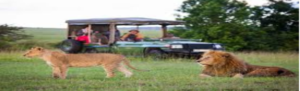
- Combine Maasai Mara with nearby parks like Lake Naivasha or Nairobi National Park for varied wildlife and landscapes.
- Consider Amboseli for elephant photography and views of Mount Kilimanjaro.
- Add Samburu or Buffalo Springs to see northern species not found in southern parks.
- For bird enthusiasts, lakes such as Naivasha and Nakuru provide spectacular flamingo and migratory bird sightings.
A typical safari itinerary ranges from 3 days to 10 days, depending on your budget and interests.
Step 4: Book Accommodations
Kenya offers a wide range of safari lodges and camps:
- Permanent Tented Camps – Offer comfort and an immersive bush experience.
- Luxury Lodges – Include pools, spas, and high-end amenities.
- Eco-Lodges – Focus on sustainability and conservation while offering comfortable accommodation.
- Community Lodges – Provide budget-friendly options while supporting local communities.
It is essential to book lodges in advance, particularly during peak season (July–October) when accommodations fill quickly.
Step 5: Arrange Game Drives and Guides
Most safaris include guided game drives, which are crucial for maximizing wildlife sightings.
- Private Vehicle – Ideal for small groups or families who want flexibility.
- Shared Vehicle – More budget-friendly; allows you to meet other travelers.
- Specialized Photography Tours – Some operators focus on wildlife photography, offering tailored drives and expert guidance.
Professional guides not only ensure safety but also enhance the safari experience by sharing wildlife knowledge, spotting hidden animals, and offering cultural insights.
Step 6: Consider Travel Logistics
When booking a safari, plan the following:
- Flights – Nairobi’s Jomo Kenyatta International Airport (NBO) is the main gateway. Some lodges offer light aircraft transfers to remote parks.
- Park Fees – Entrance fees vary by reserve and are usually paid per day.
- Transport – Most safaris include transfers, but self-drive travelers need 4×4 vehicles and park permits.
- Travel Insurance – Essential for medical coverage, trip delays, or cancellations.
Step 7: Health and Safety Preparations
Before traveling:
- Consult a travel clinic for recommended vaccinations, including yellow fever and typhoid.
- Take malaria prophylaxis, particularly when visiting lowland areas.
- Pack essentials like sun protection, insect repellent, binoculars, and suitable safari clothing.
Step 8: Respect Wildlife and Local Communities
A responsible safari ensures the safety and conservation of Kenya’s wildlife:
- Keep safe distances from animals.
- Follow guide instructions during game drives.
- Avoid littering and minimize environmental impact.
- Support community-based tourism initiatives where possible.
Tips for Booking a Kenya Safari
- Book early, especially during peak seasons.
- Compare packages from different tour operators.
- Choose lodges and camps that include meals and game drives for better value.
- Consider combination packages: wildlife safari + cultural tours + coastal relaxation.
- Communicate dietary preferences or mobility needs in advance.
Conclusion
Booking a safari in Kenya requires careful planning, but the effort is richly rewarded. By selecting the right season, destinations, accommodations, and guided experiences, travelers can witness the majesty of the Big Five, the drama of predator-prey interactions, and the splendor of Africa’s landscapes. Whether you choose a luxury lodge, a budget-friendly camp, or a photography-focused tour, a well-planned Kenya safari promises unforgettable memories and encounters that will last a lifetime.